

How was Tyndale a bridge between Wittenberg and England?
(1494–1536)
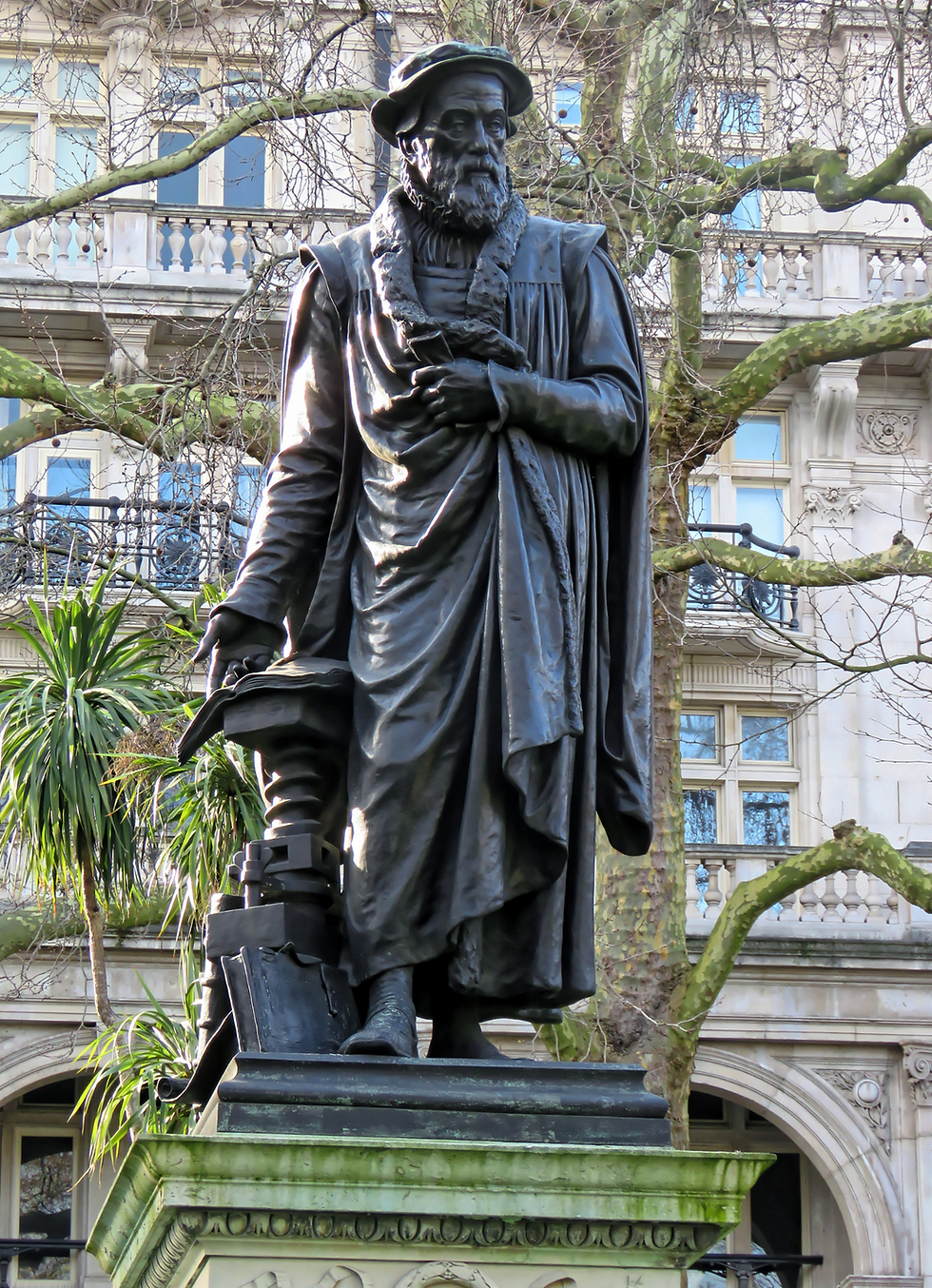
WILLIAM
TYNDALE
MARTIN
LUTHER


.png)



A Lasting Legacy
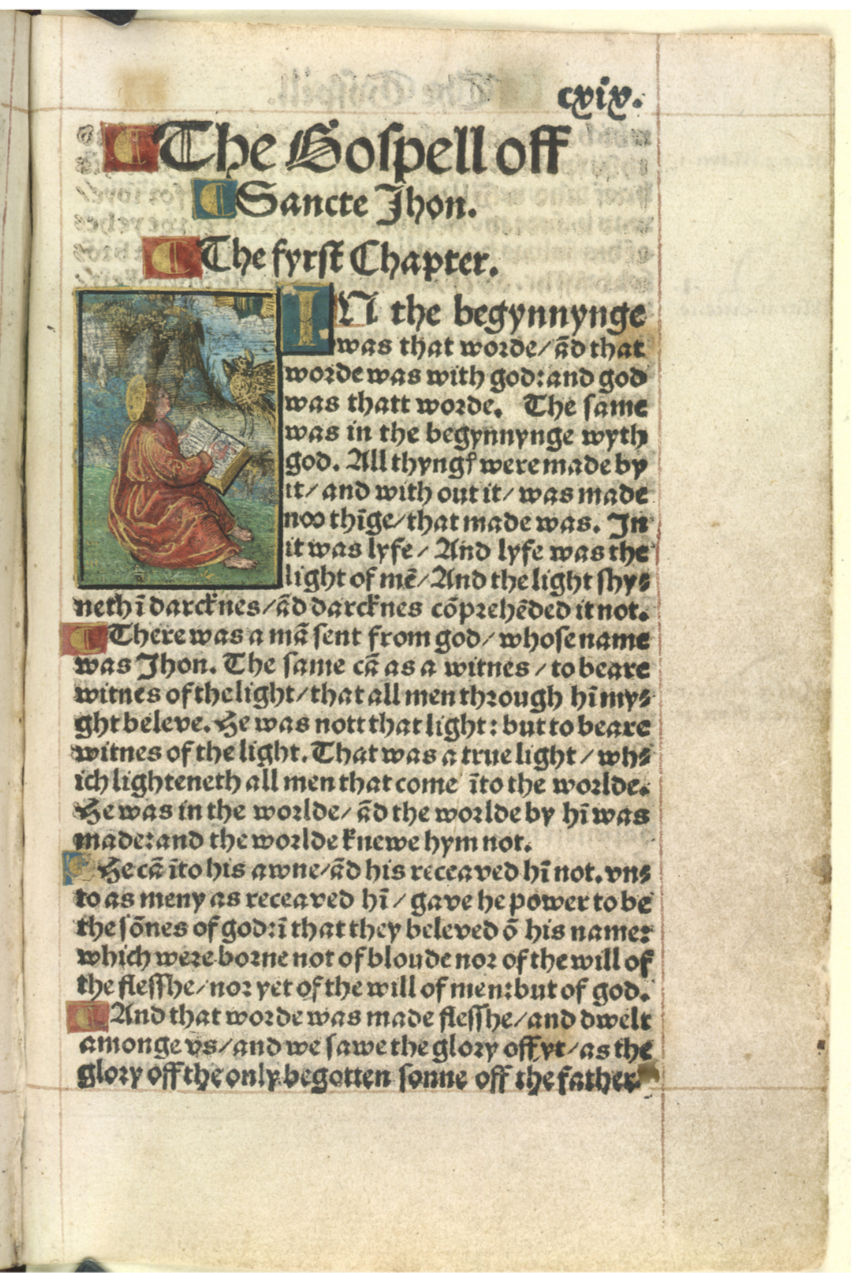
Tyndale’s influence reaches far beyond his own century. Nearly 80 percent of the King James Bible — the version that shaped English-speaking Christianity — echoes his phrasing. His courage, scholarship, and devotion to truth made him one of the spiritual forefathers of both Anglican and Lutheran reform movements. For Anglicans, Tyndale’s translation helped form a national church rooted in Scripture and liturgy in the vernacular. For Lutherans, his work reflected the same Reformation spirit that animated Martin Luther — the conviction that faith is born through hearing the Word of Christ. Today, William Tyndale stands as a bridge between traditions, reminding us that the power of God’s Word transcends language, culture, and history. His legacy continues to call the Church to renewal, unity, and faithful witness.
About
William Tyndale
A Life Shaped by the Word
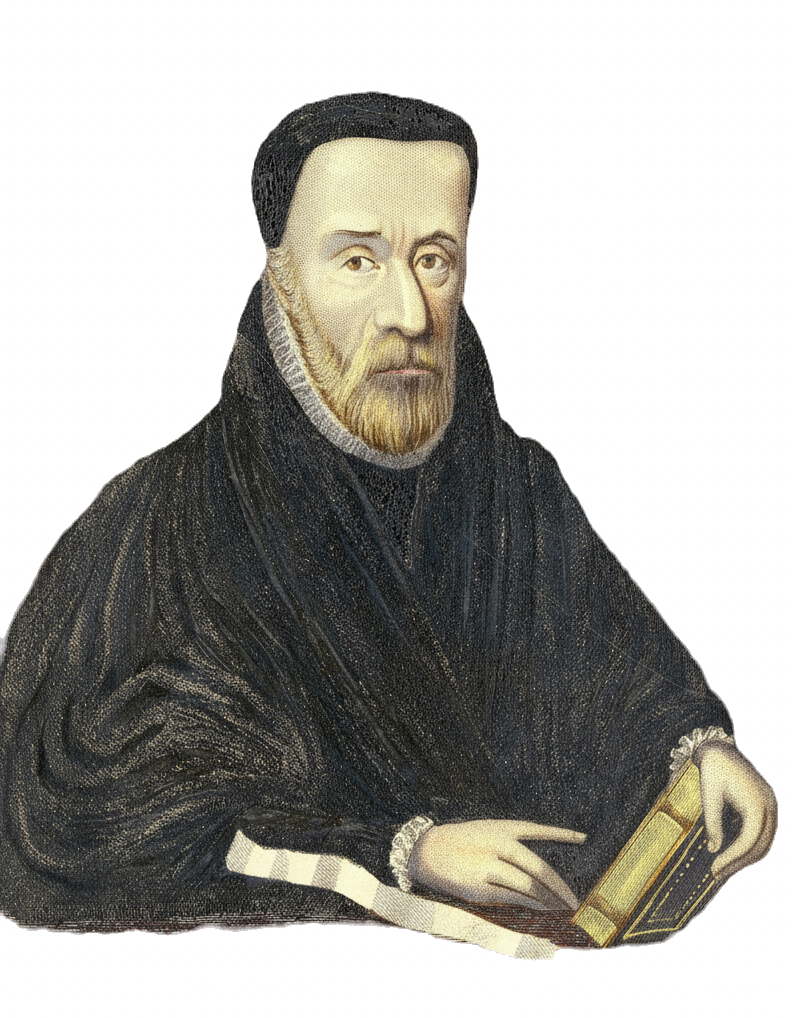
William Tyndale (c. 1494–1536) was a scholar, translator, and reformer whose passion for Scripture transformed the English-speaking world. Educated at Oxford and Cambridge, he mastered languages ancient and modern, driven by a single conviction — that every person should be able to read the Word of God in their own mother tongue.
In an age when the Bible was restricted to Latin, Tyndale’s vision was both daring and pastoral. “If God spare my life,” he famously declared to a local cleric, “I will cause a boy that driveth the plough to know more of the Scripture than thou dost.” His determination to make the Scriptures accessible to all would shape the faith and language of generations to come.
The Translator and the Martyr
Unable to print his translation in England, Tyndale found refuge on the Continent, working in secret to produce the first English New Testament translated directly from the original Greek. Copies were smuggled into England and eagerly read despite official bans.
His words carried a clarity and simplicity that spoke to the heart of the Gospel — faith alone, grace alone, Scripture alone. For this conviction, Tyndale was betrayed, imprisoned, and executed in 1536. His final prayer, “Lord, open the King of England’s eyes,” was answered within a few years when English translations of the Bible were finally authorised.
EXPLORE

x
x

X
X

X
X

X
X

X
X
x
X

X
X

X
X

(Main Stage)
WINDY BOIZ

(Side Stage)
VELVET ROSE

About
the Event
On 31 October 2025 the Council of Lutheran Churches in Great Britain hosted a special event in anticipation of the 500th anniversary of William Tyndale's English translation of the Bible, in the afternoon before our annual Reformation worship service bringing together member churches of the CLC in celebration of our common Lutheran heritage.
The Tyndale event featured two presenters-- Rev. Joseph Nelson and Rev. Dr. Boris Gunjević-- each sharing their perspective on the famous academic, and also engaging with audience members and their questions.
Both the lecture and the worship service took place at St. Katherine's Danish Church in London, and can be viewed in full at the archived YouTube links below.


Contact Us
Council of Lutheran Churches in Great Britain
Phone: 020 8051 2676
Email: enquiries@lutheran.org.uk
Find Us: Ground Floor, Trident House, 46-48 Webber Street, London, SE1 8QW